Stories
Growing Up in the Balkans: What a Balkan Childhood Really Looks Like
If you grew up in the Balkans, you probably remember the sound of your name being called from a balcony.
Not once. Three times. Each time a little louder, until the whole street knew it was time for you to come home for dinner.
You remember coming home with dirty knees and a scratch nobody worried about. You remember a neighbour handing you a slice of bread with ajvar or Eurokrem without asking your mother first, because in her eyes you were also a little bit hers.
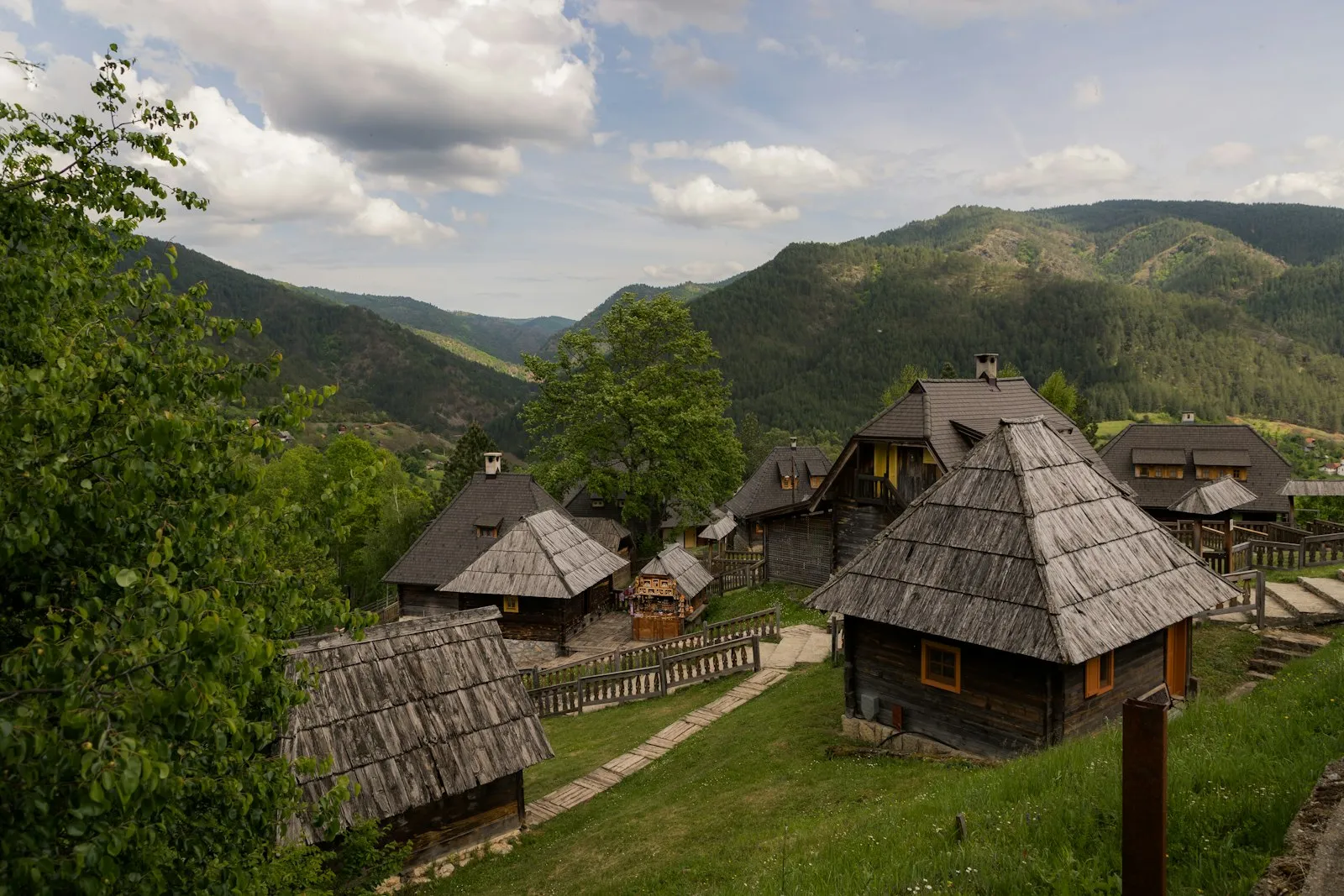
And you remember summers. Long ones. At baba and deda's in the village, where the day started with the rooster and ended when it was too dark to see the ball.
I think about that childhood a lot, even though it was only half mine. I was raised in Switzerland, but I spent a good part of my childhood in the Balkans. Those months there shaped me more than I understood at the time.
Today I live in Chicago and I am raising my own children here. Every year we spend three to four months in the Balkans, and every year I watch my kids slowly turn into the kind of children I used to play with there.
This post is about that childhood: what it gives a child, why people from all over the world are starting to look at it with a bit of envy, and the part we don't talk about enough. Because not every child in the Balkans gets that childhood. And that is the reason our charity exists.
A street full of parents
The first thing anyone who grew up there will tell you is this: you were never raised by your parents alone.
You were raised by your grandmother, who lived with you or ten minutes away. By the neighbour on the ground floor who saw everything. By the woman at the corner shop who knew your name, your mother's name, and exactly how much change you should bring back.
If you misbehaved three streets away, your mother knew before you got home.
To a child, that feels like being watched. As a parent, I understand that it was something else entirely. It was a safety net. A whole community quietly keeping an eye on its children, so that children could have the one thing that is disappearing from so many childhoods today: freedom.
In the Balkans, children still walk to school on their own. Seven-year-olds still go to the kiosk with a few coins and come back with bread and an ice cream. Kids still play outside in groups of mixed ages, where the older ones look after the little ones without anyone telling them to.
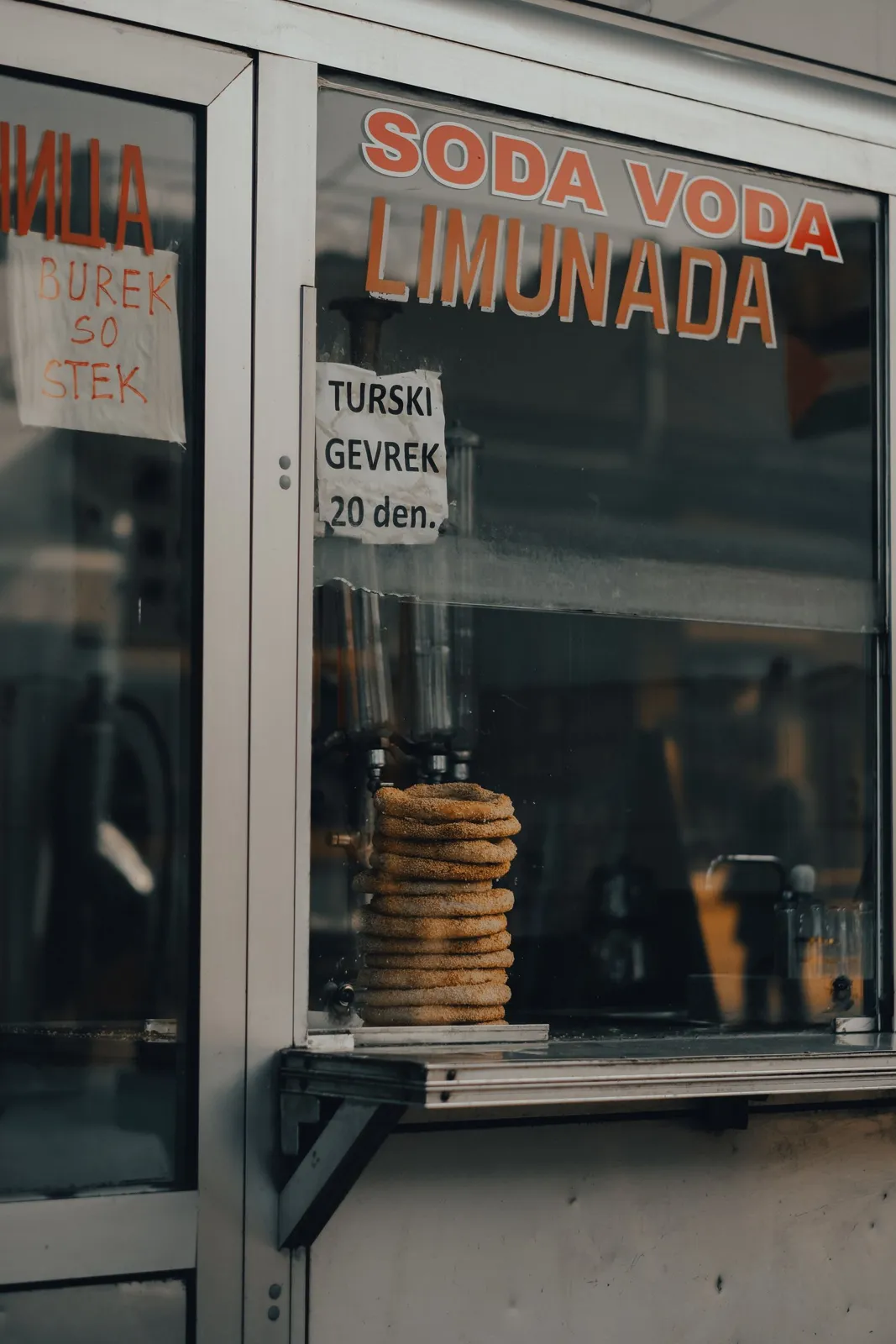
I wrote about this in more detail in Are the Balkans the real Montessori?, because for my children those months are the best school they have.
Grandparents are not a weekend visit
In many parts of the world, grandparents are people you visit on holidays.
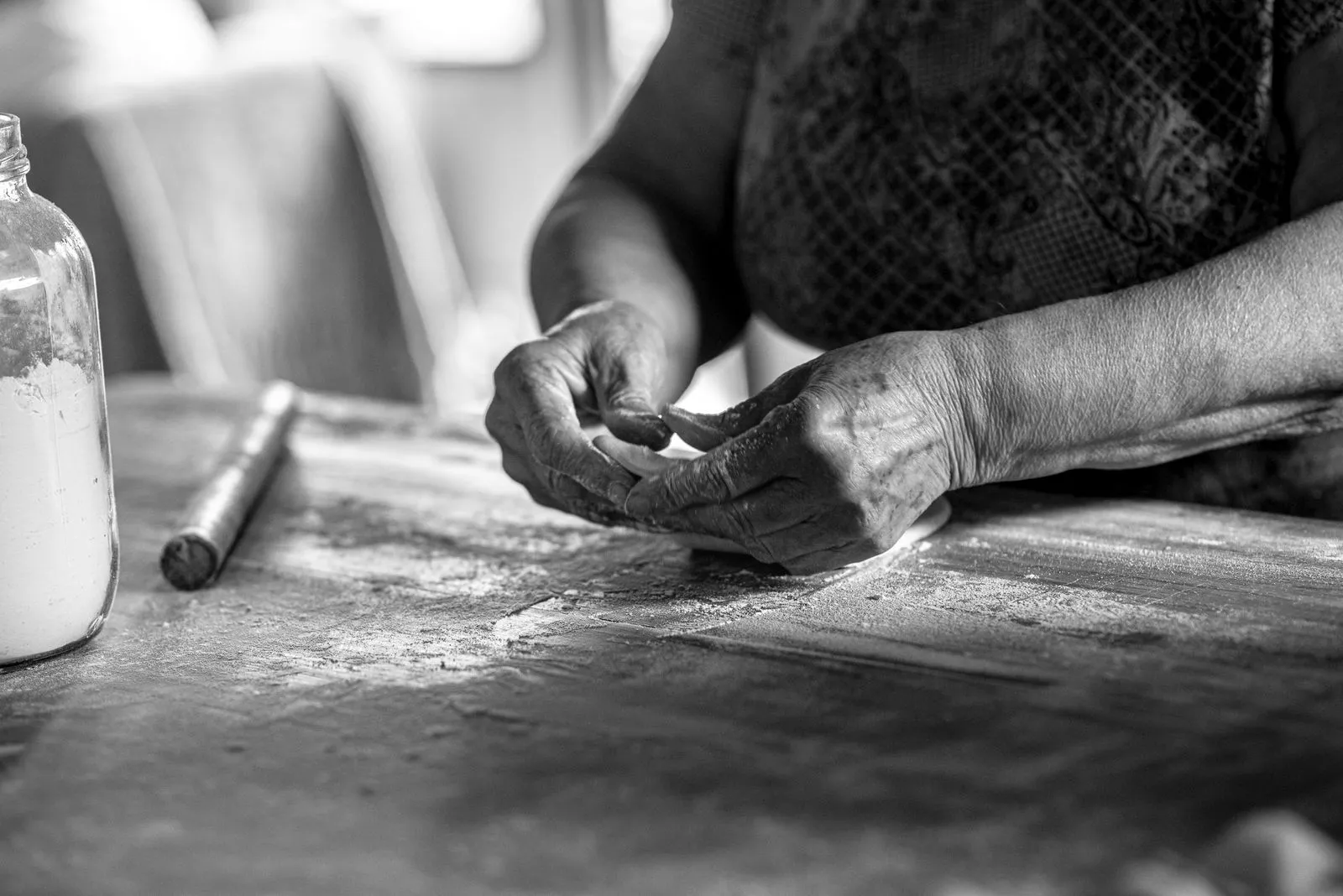
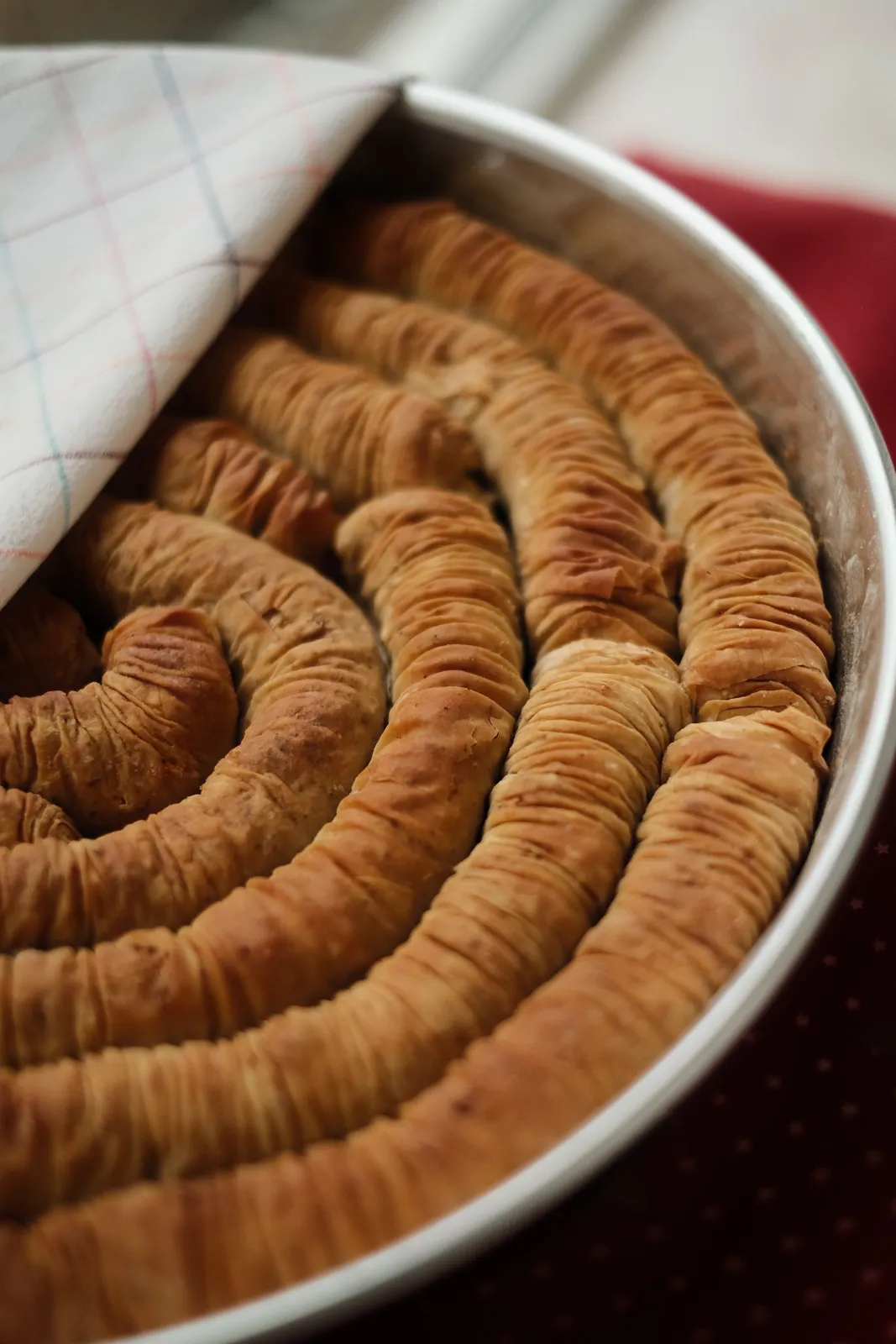
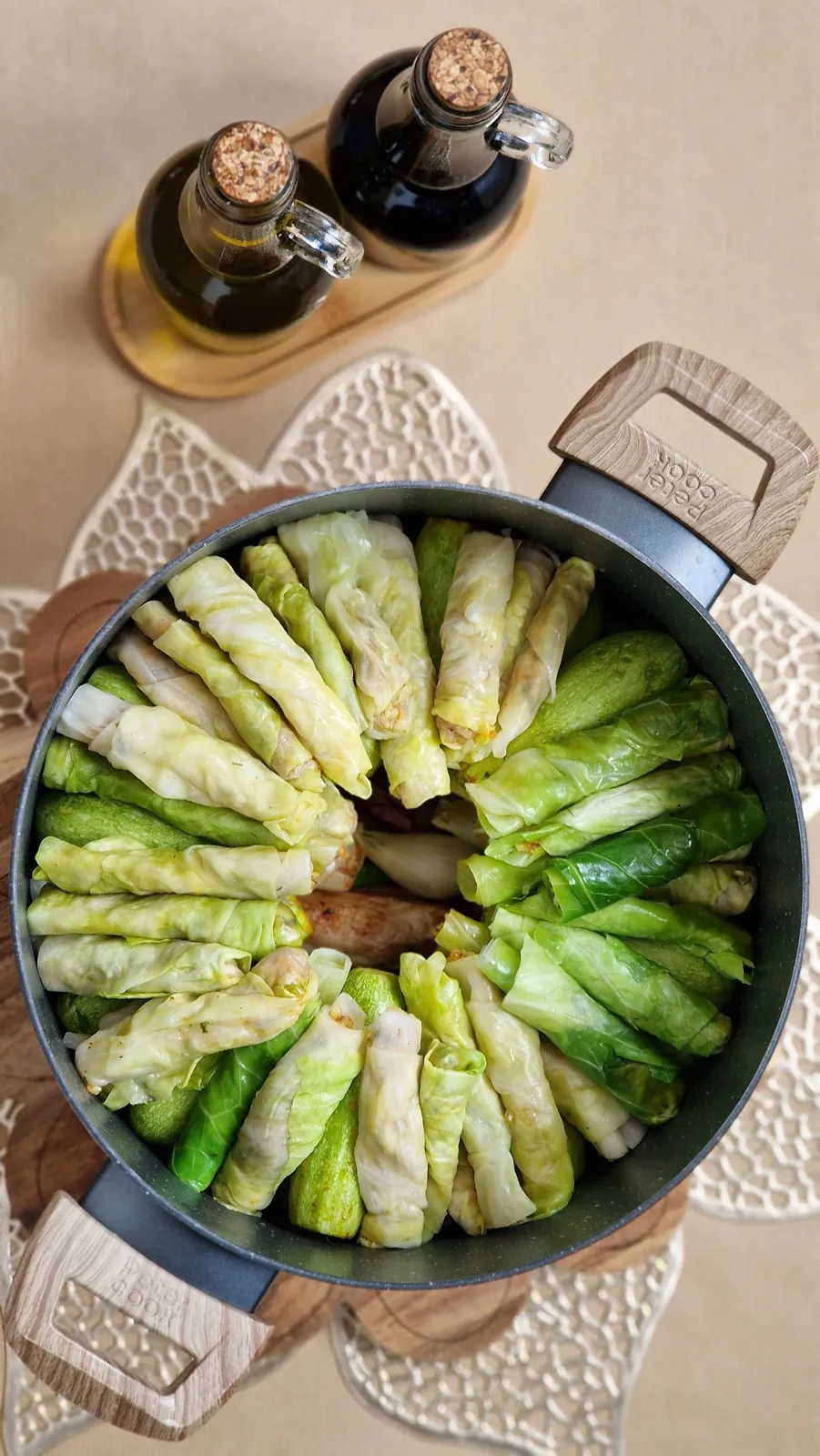
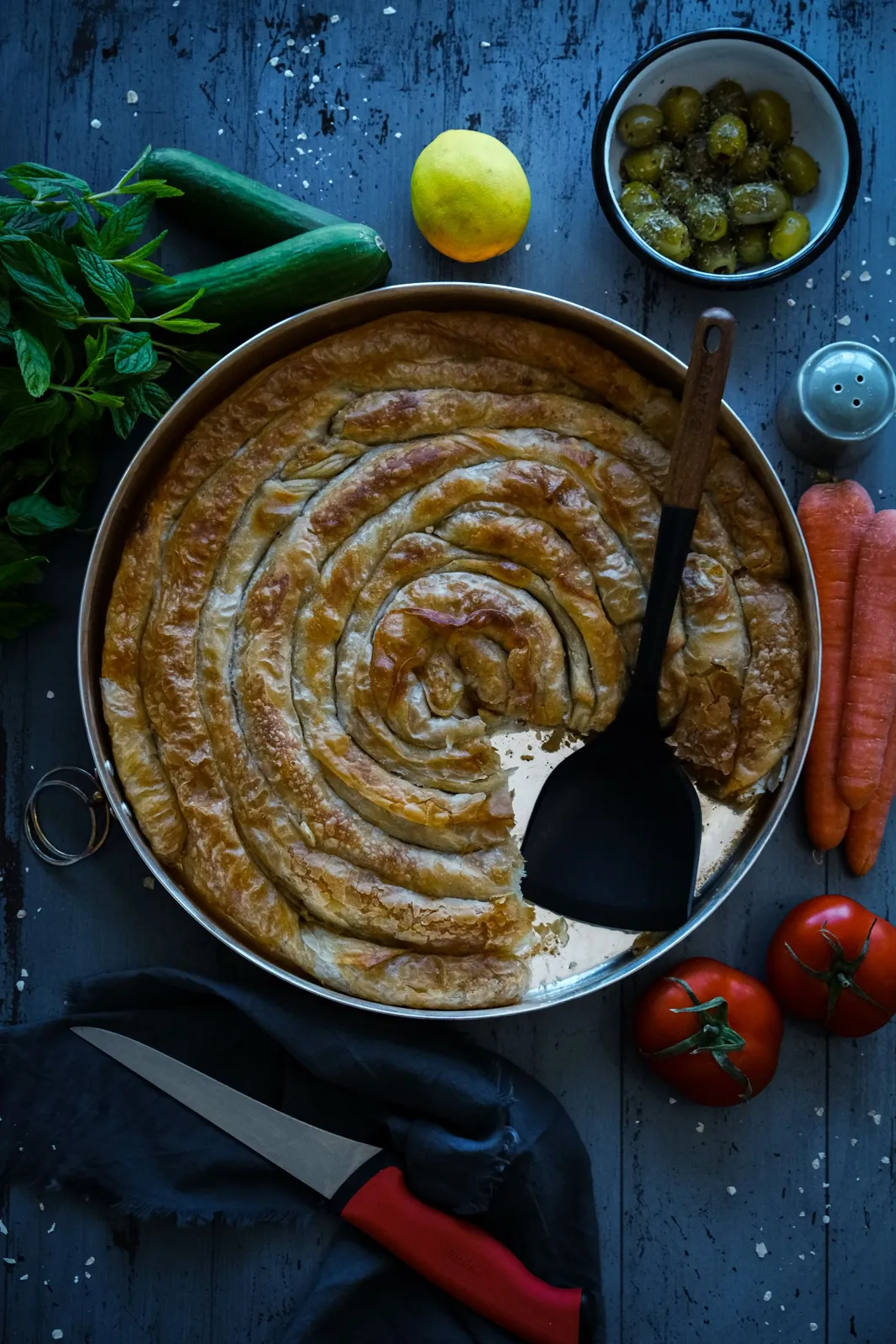
In the Balkans, they are part of everyday life. They pick you up from school. They cook your lunch. They teach you how to roll sarma, how to roast peppers for ajvar every autumn, how to plant beans, how to make slatko from plums and how to tell when the gibanica is done just by the smell.
They also teach you things nobody writes down. How to greet older people properly. How to sit at a table with fifteen relatives and wait your turn. How to go quiet when an old song starts, because it means something to someone in the room.
This is where a child learns that they belong to something bigger than themselves: a family, a village, a history.
Summers in the village
Ask anyone from Serbia, Montenegro, Bosnia and Herzegovina or North Macedonia where they spent their summers, and many will name a village.
The village is where children learn that milk comes from a cow you know by name. Where they carry water from a spring, pick cherries straight from the tree, help with the hay and fall asleep exhausted, without a single screen.
And in autumn, the whole village smells of roasted peppers, because every house is making ajvar. Children peel the peppers next to their grandmothers, with red fingers and a piece of bread in the other hand, waiting for the first taste.
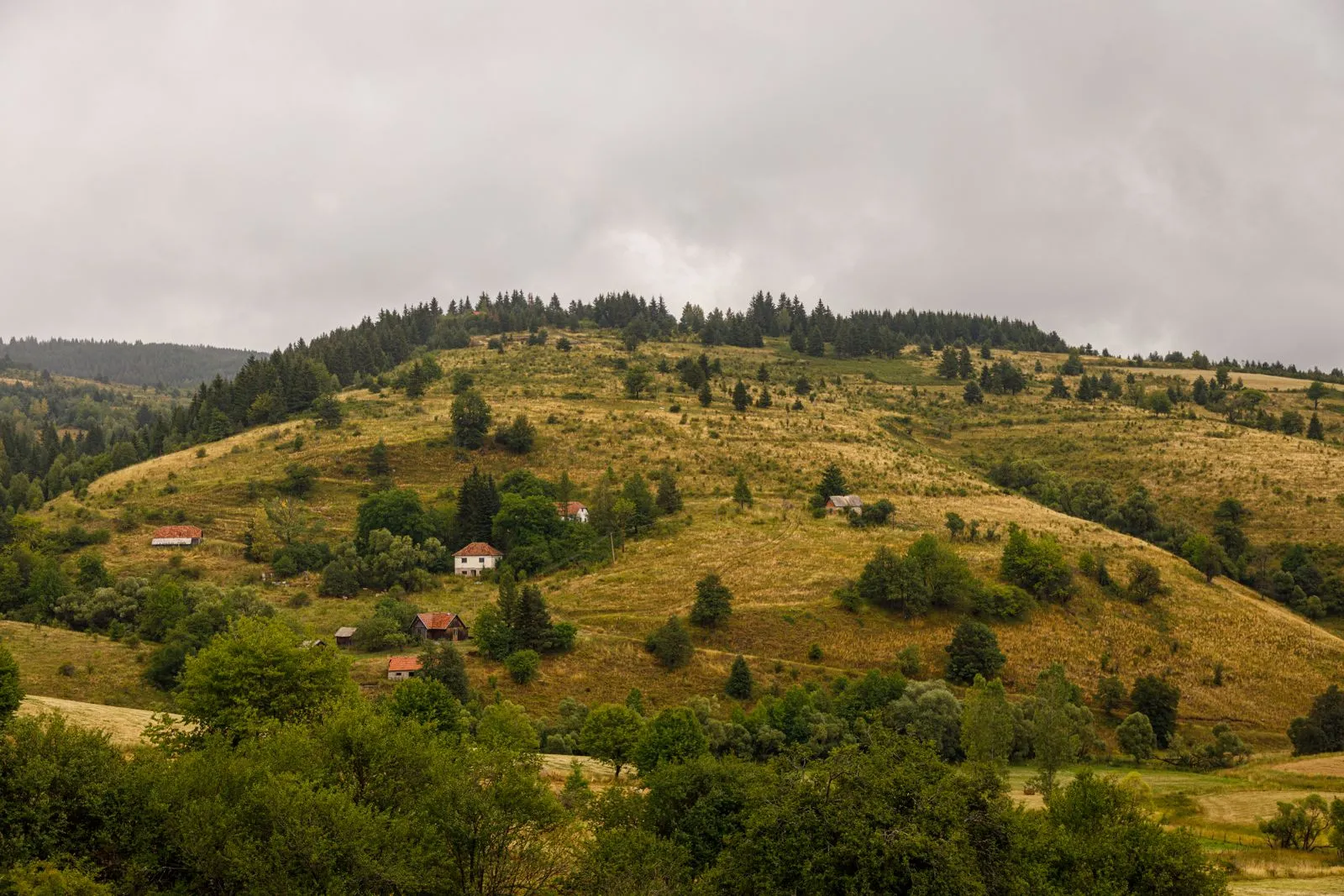
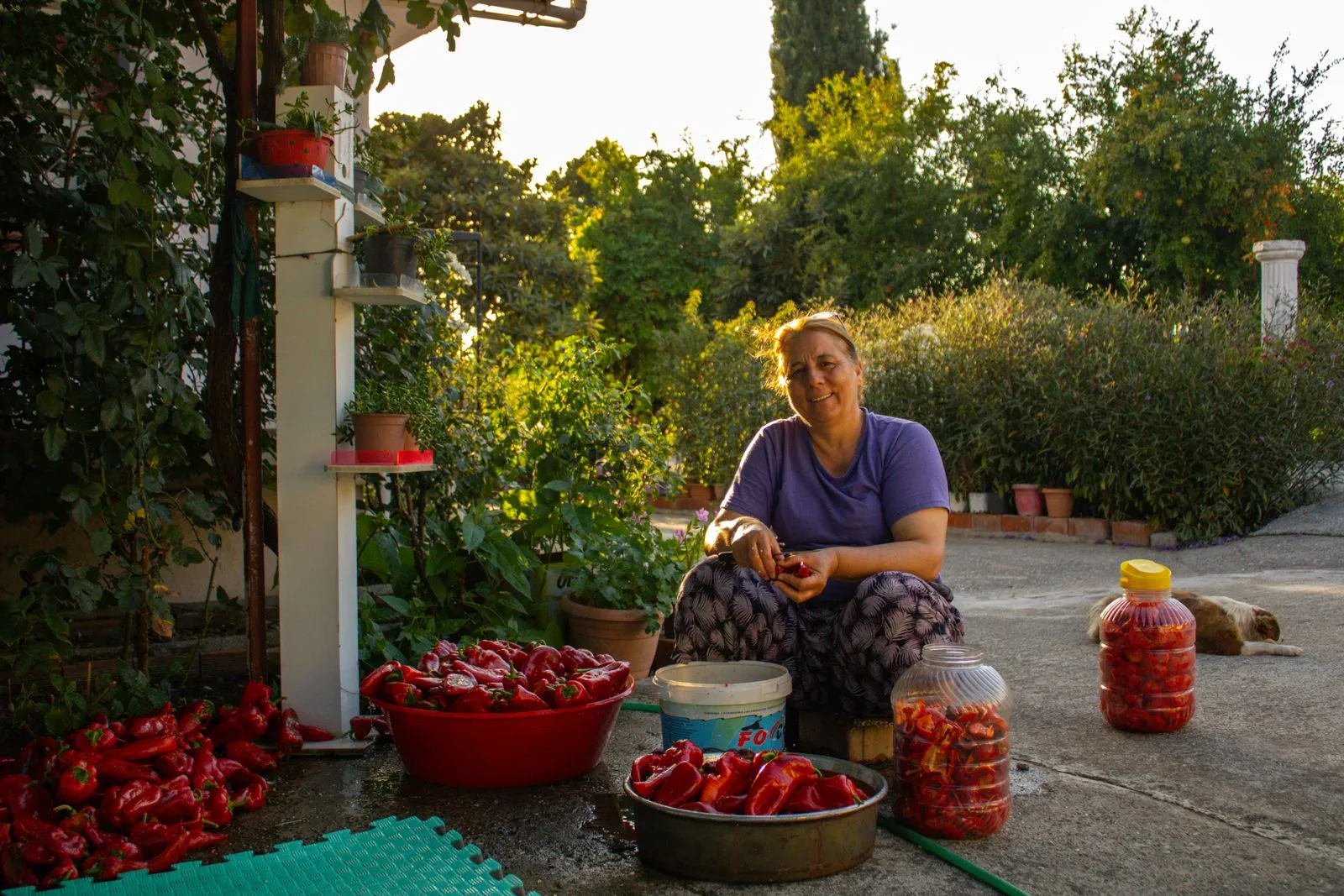
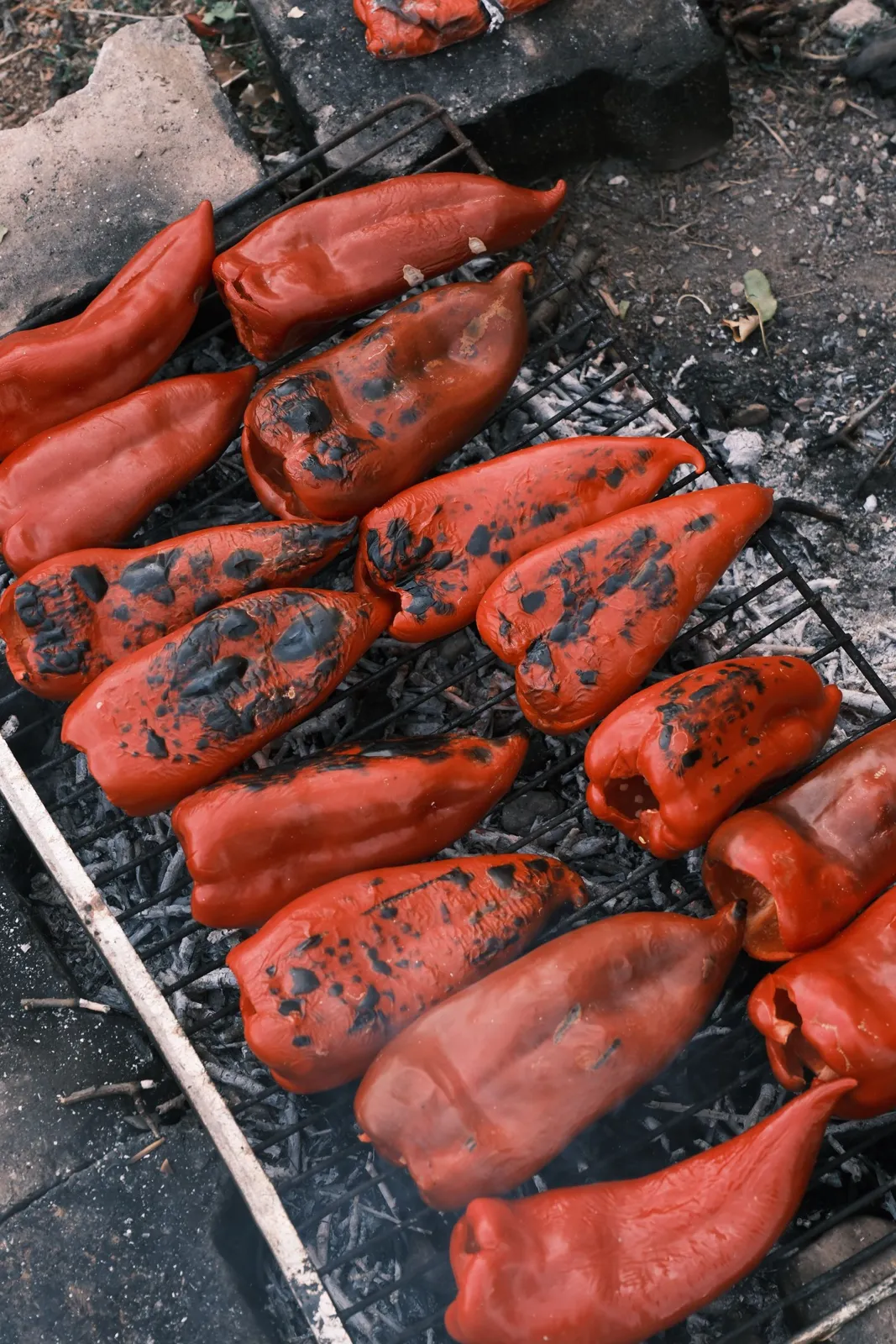
My own children wake up there at six in the morning, run to the neighbours' house and help with the sheep. Nobody makes them do it. They just want to be part of what is happening.
There is a kind of confidence a child gets from being useful, from knowing that their small hands actually helped. I don't think any playground in the world can teach that.
Hospitality you learn before you can read
In a Balkan home, a guest is sacred.
Children learn very early that when someone comes to the door, you offer them something. Coffee for the adults, juice and something sweet for the kids, and "you must stay for lunch" no matter what time it is.
On a slava, Christmas or Easter, the house is full from morning until night. Children run between the legs of adults, get passed from lap to lap, are kissed on both cheeks by people they've never met, and are told they have grown. Every time.
It can be loud. It can be a lot. But it teaches a child that people matter more than plans, and that a table always has room for one more.
What a Balkan childhood gives a child
If I had to put it in a few lines, I would say a Balkan childhood gives children:
- Independence, because they are trusted to move through the world on their own.
- Belonging, because they grow up surrounded by family, neighbours and traditions.
- Resilience, because life is simpler, and you learn to make do with what you have.
- Warmth, because they learn hospitality and closeness as something completely normal.
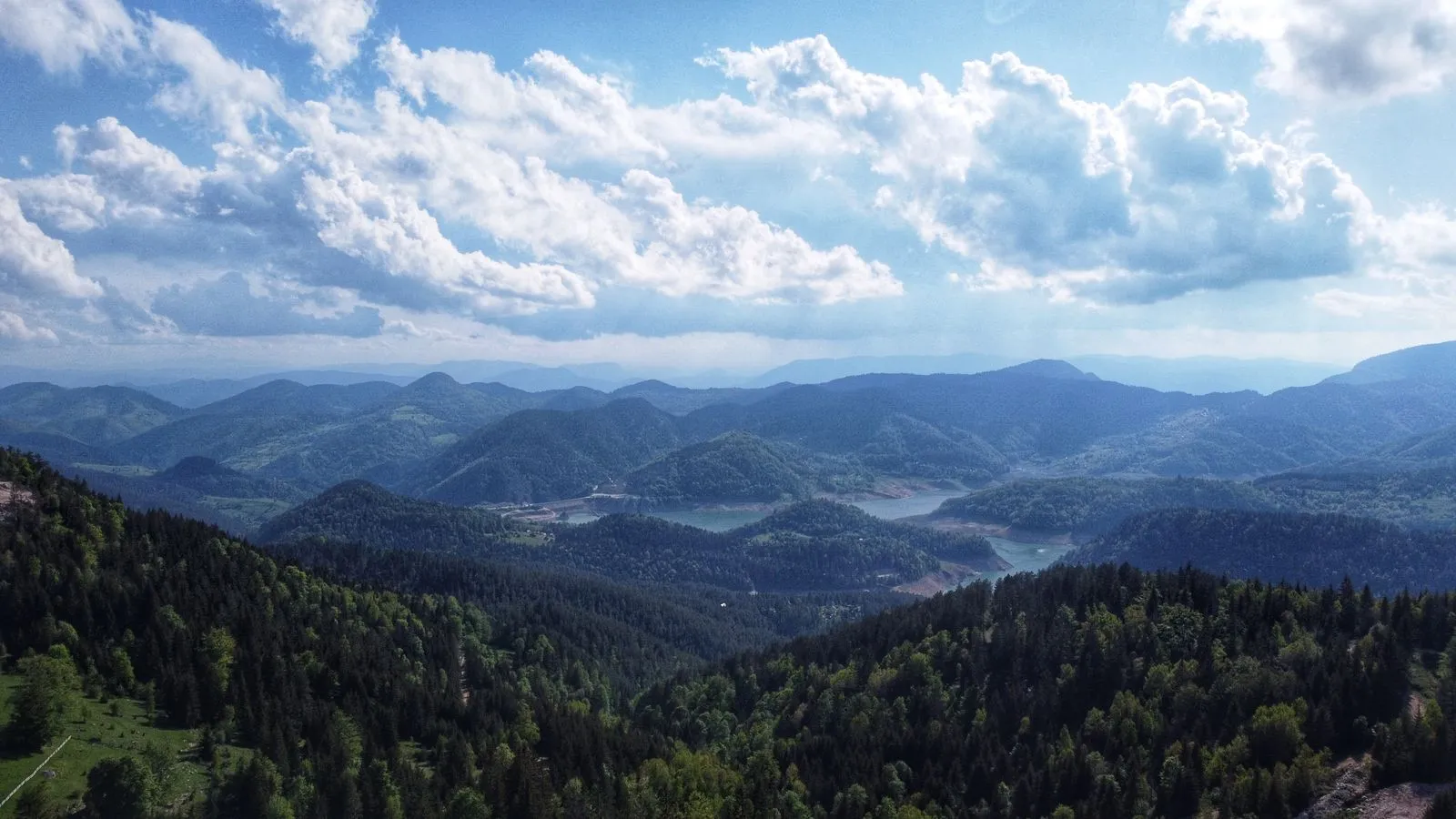
- A connection to nature, because the mountains, rivers and villages are never far away.
None of this is perfect. Balkan parents can be strict, grandparents can be overprotective, and everybody has an opinion about your jacket. But at its heart, this kind of childhood is something many families in big cities are now trying to recreate, and often paying a lot of money to do it.
The part we don't talk about enough
Now I have to be honest with you.
The childhood I described is real. But it is not every child's childhood.
For many Balkan kids today, the picture looks very different.
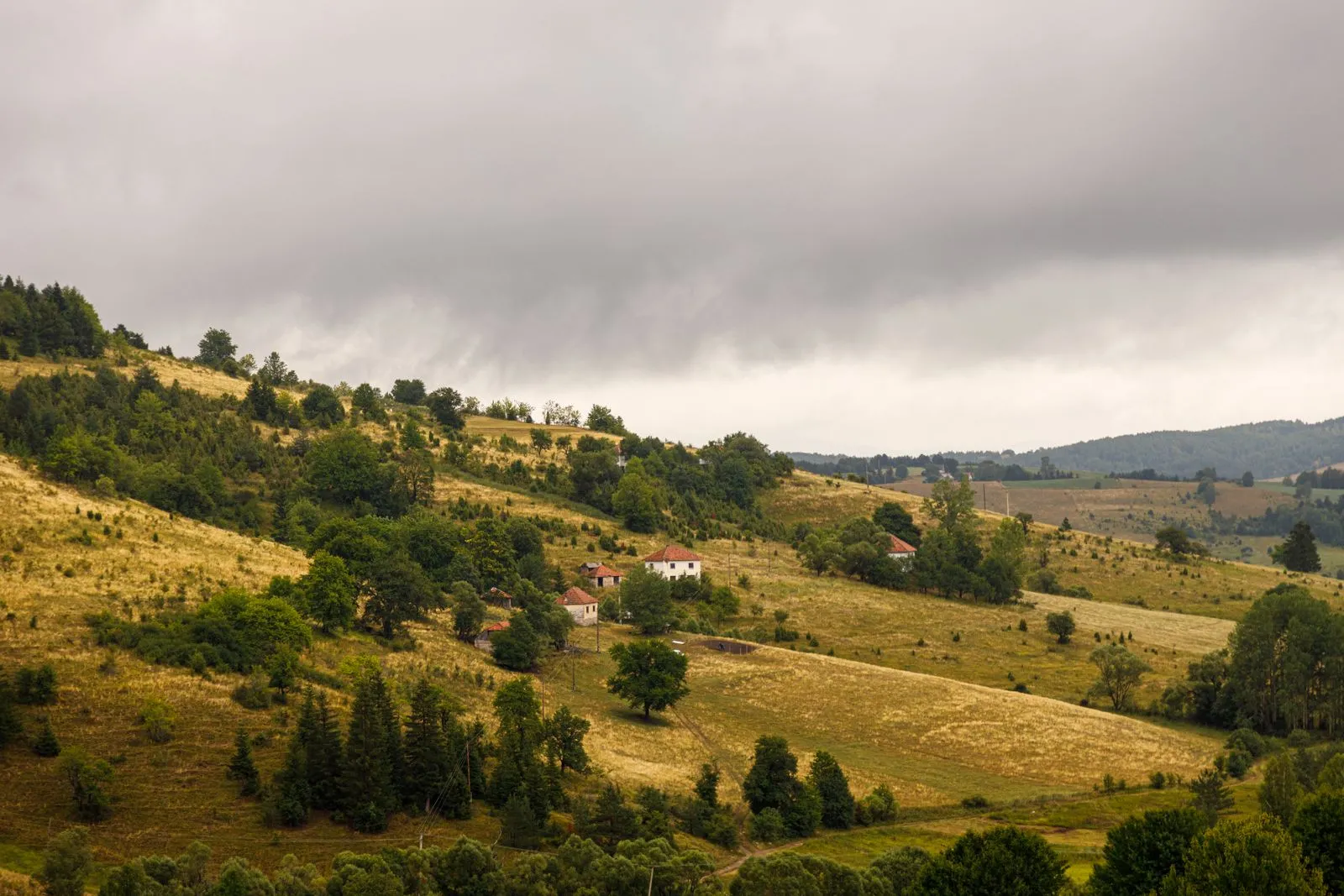
Villages are emptying. Young families move to the cities or abroad, and the children who stay behind often go to schools with only a handful of pupils. UNICEF Serbia once visited a remote school on Giljeva mountain: twenty years earlier, 750 pupils went to the Saint Sava Primary School there. When UNICEF came, there were barely eighty left. The people of the village are the same warm, generous people I described above. There are simply fewer and fewer of them.
Poverty is real. According to UNICEF, only one out of every 17 people in Serbia is a child, and one in five children grows up at risk of poverty. In smaller towns and in the south of the region, families often can't afford new shoes, school supplies or a winter coat, let alone sports equipment or a school trip.
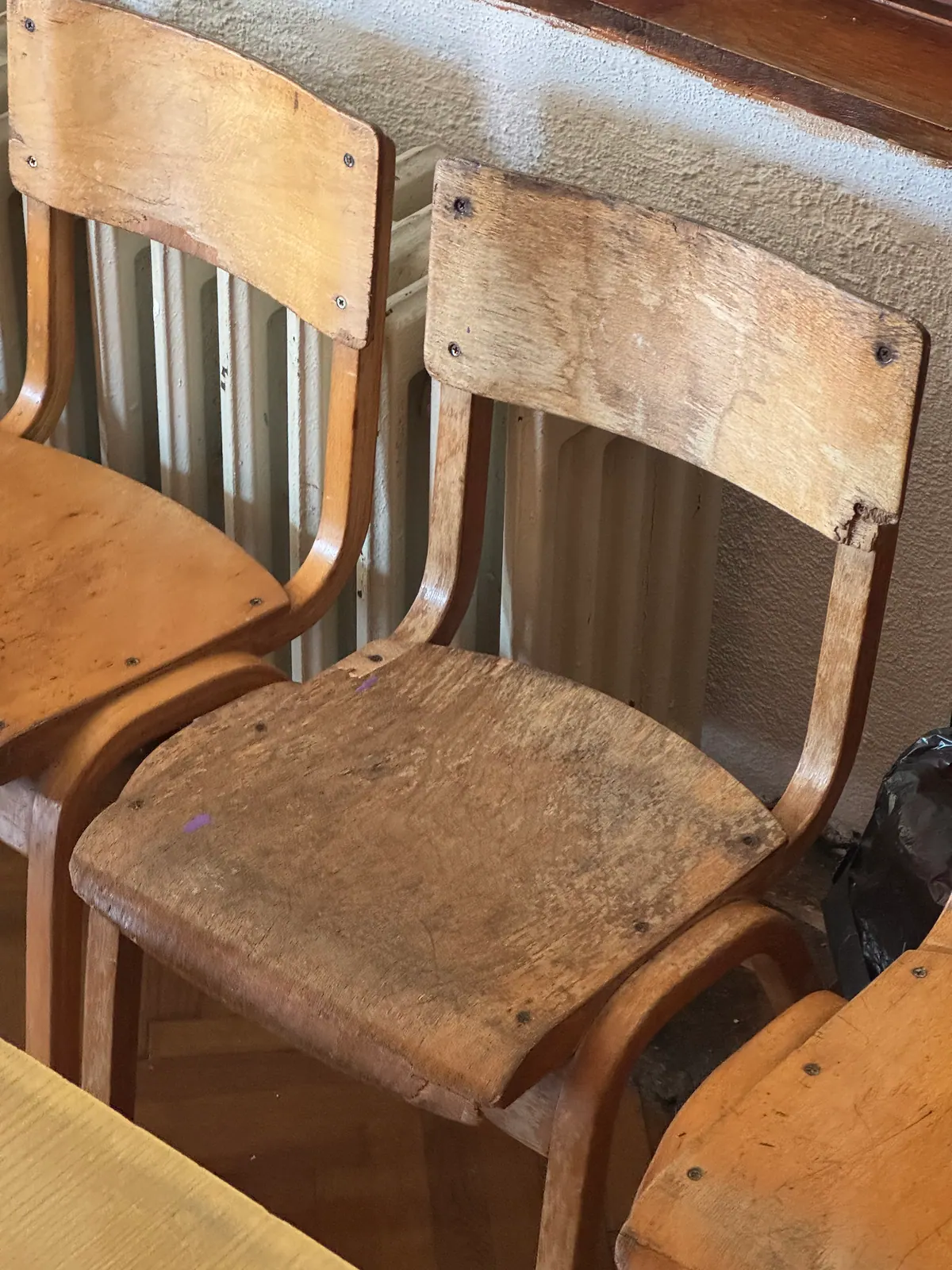
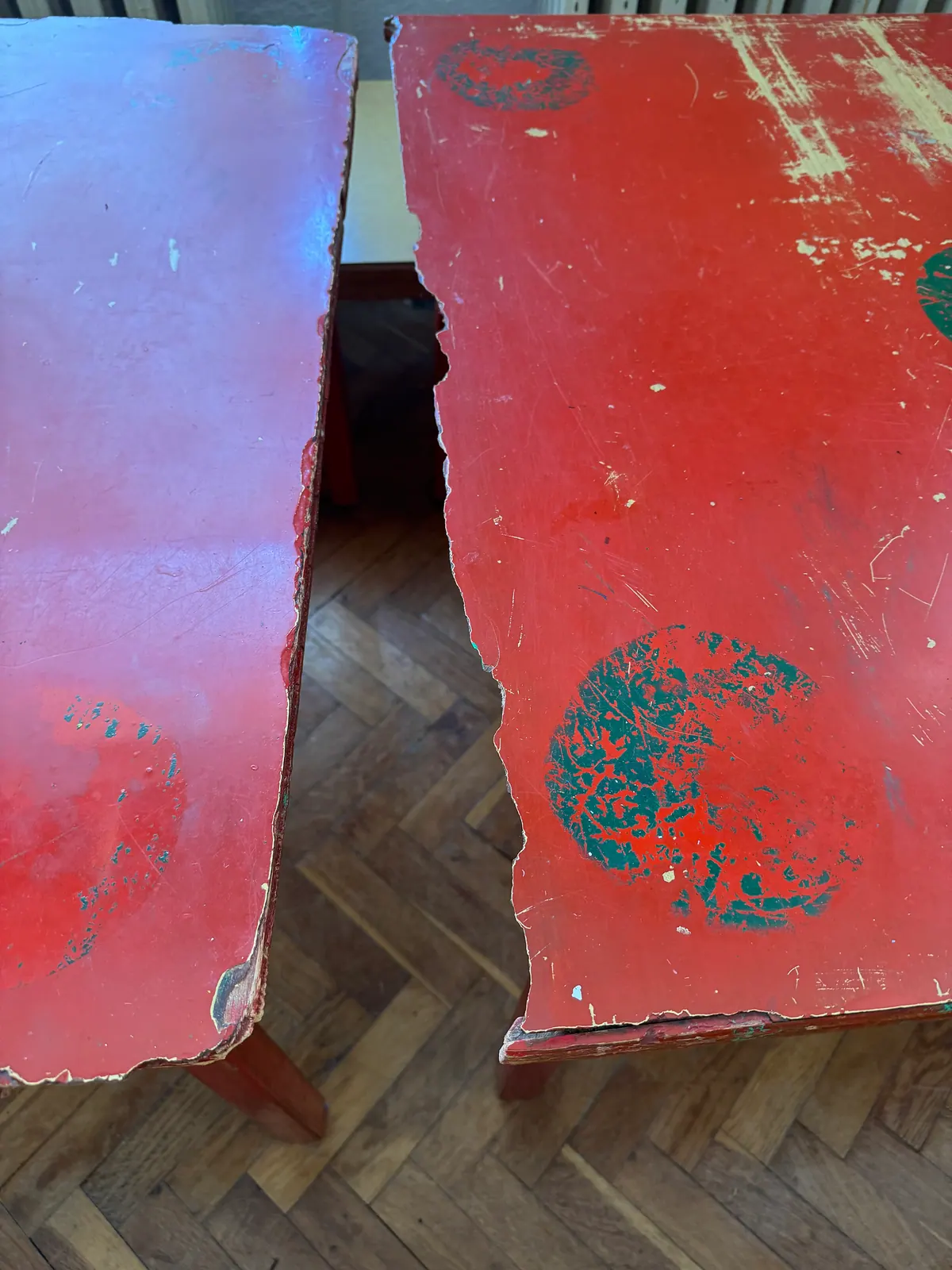
Some children have no family to lean on at all. In children's homes, shelters and safe houses across the region, there are children who never had a grandmother waiting after school. They are looked after by dedicated staff who do their best with very little, and who often work without the basic supplies any family home would take for granted.
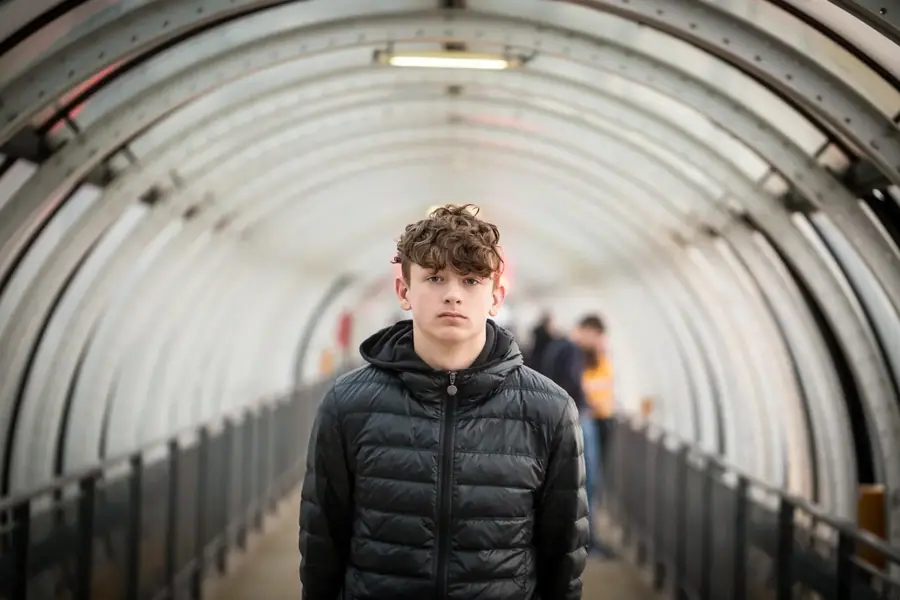
And many children simply don't get to see what is possible. Some time ago, a 14-year-old boy from Bijelo Polje told me he wants to become a hairdresser. Not because it was his dream, but because it was the most successful job he could imagine in his town. He speaks three languages. I wrote about him in The Size of a Dream Depends on What a Child Can See, and I still think about him.
That is the other side of a Balkan childhood. Lots of love, very often. Not nearly enough opportunity.
Why we started Charity for Balkan Children
We started this charity because we wanted every child in the region to have a little more of the good side and a little less of the hard one.
We are a small team of volunteers, many of us with roots in the Balkans, now living in Chicago and around the world. We don't have offices or big salaries. We have friends, family, our community, and a lot of stubbornness.
Over the years, with your help, we have:
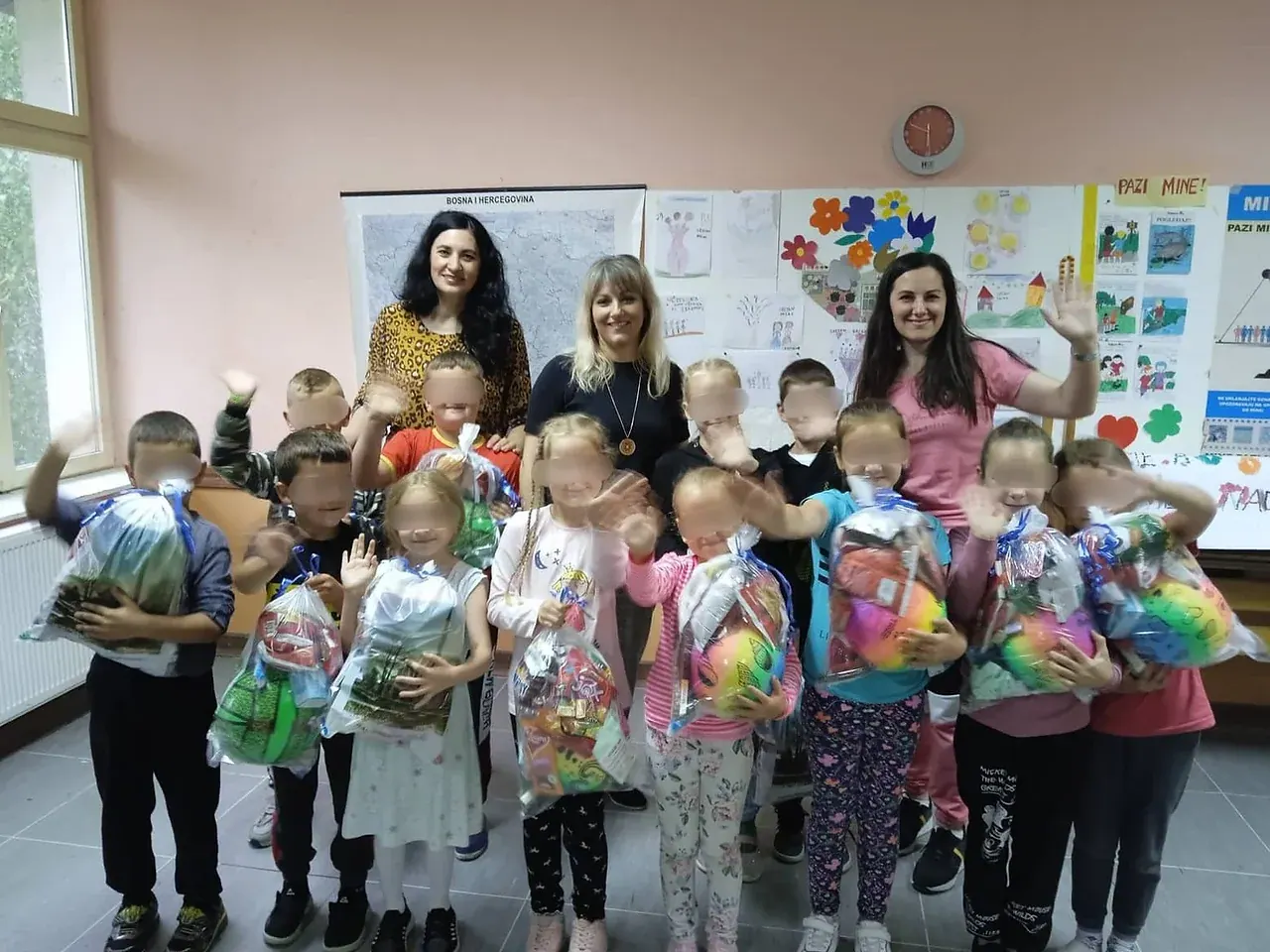
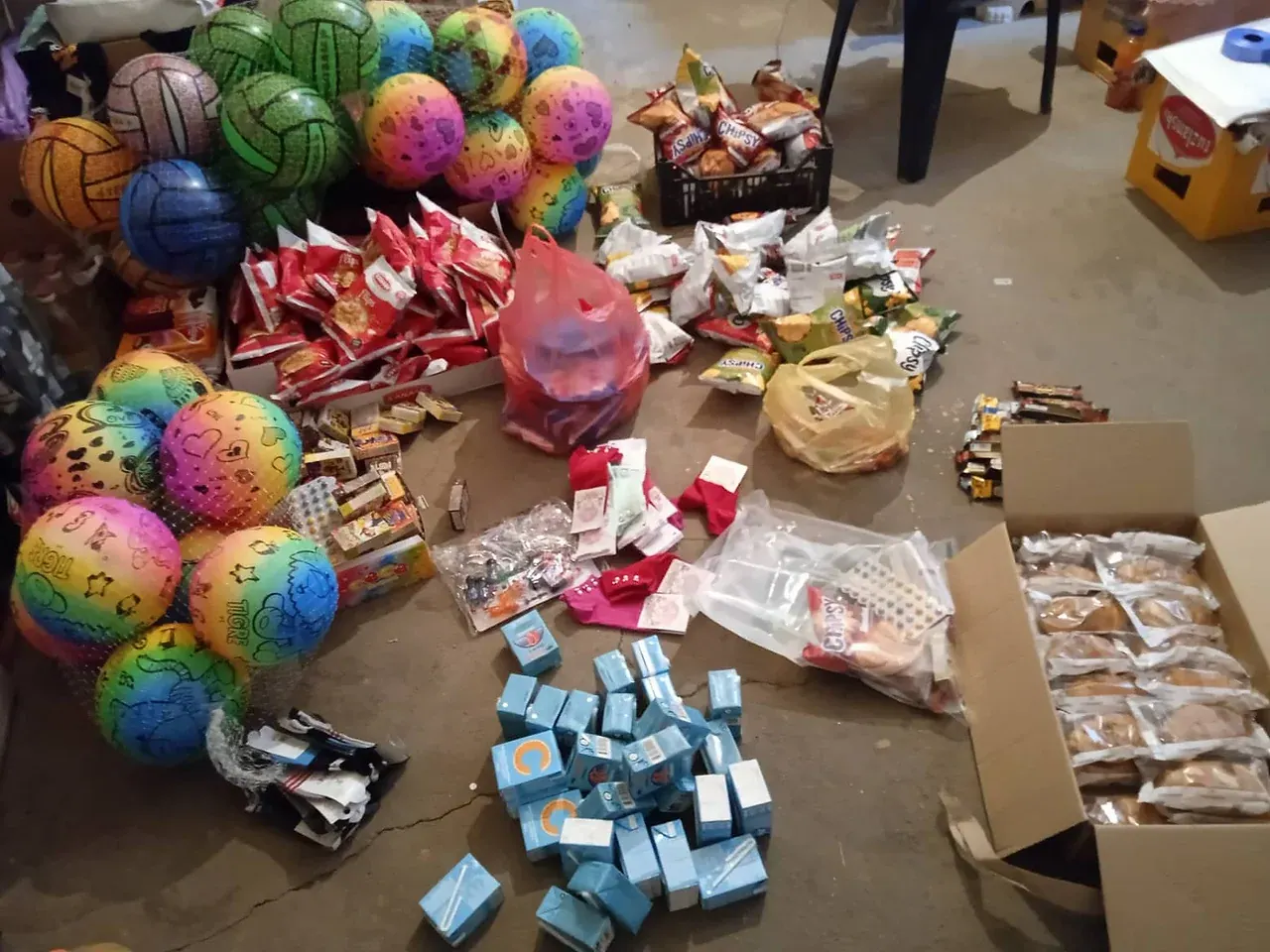
- delivered hygiene products, food and diapers to children's shelters in Novi Sad, Vranje, Belgrade and Kruševac, and to the Safe House in Sarajevo,
- brought care packages and a day trip to Brčko to the pupils of the small regional school in Velino Selo,
- equipped the primary school in Višegrad with books, sports equipment and a projector,
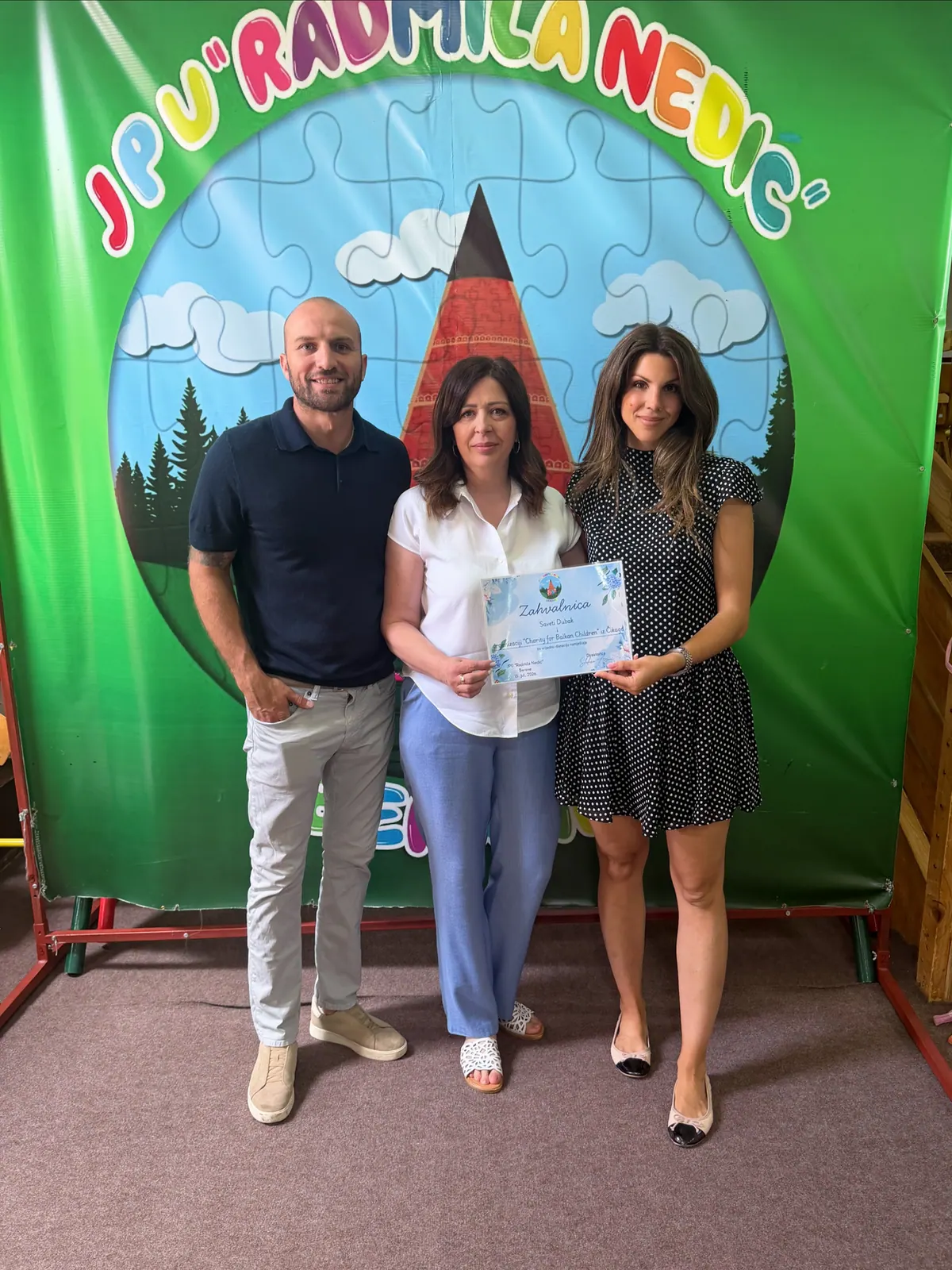
- completed our biggest project so far: 17 tables, 102 chairs and 102 beds for the Radmila Nedić Kindergarten in Berane, worth over $15,000.
Every project starts with the same question we ask the people who work with the children every day: What do these kids actually need? And then we try to bring exactly that.
What we are working on right now
Our current project takes us to Kosovo and Metohija, to the elementary school OŠ "Desanka Maksimović" in Kosovska Kamenica.
More than 200 children go to this school, many of them from the surrounding villages. They win awards at national competitions. They paint, make music, act and learn traditional crafts. What they don't have is proper equipment for physical education: balls, mats, cones, skipping ropes, a few bikes.
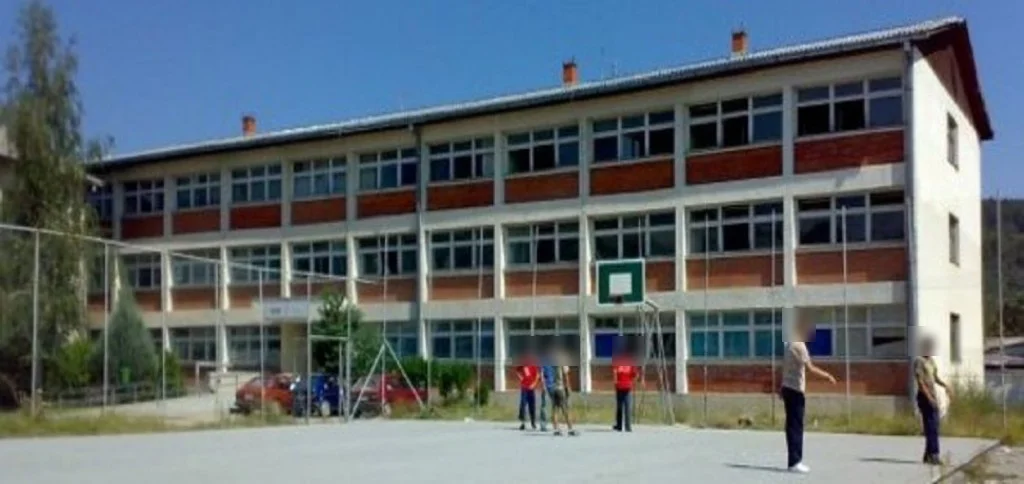
In other words, the things that let children simply run and play, the very heart of the childhood I described at the beginning of this post.
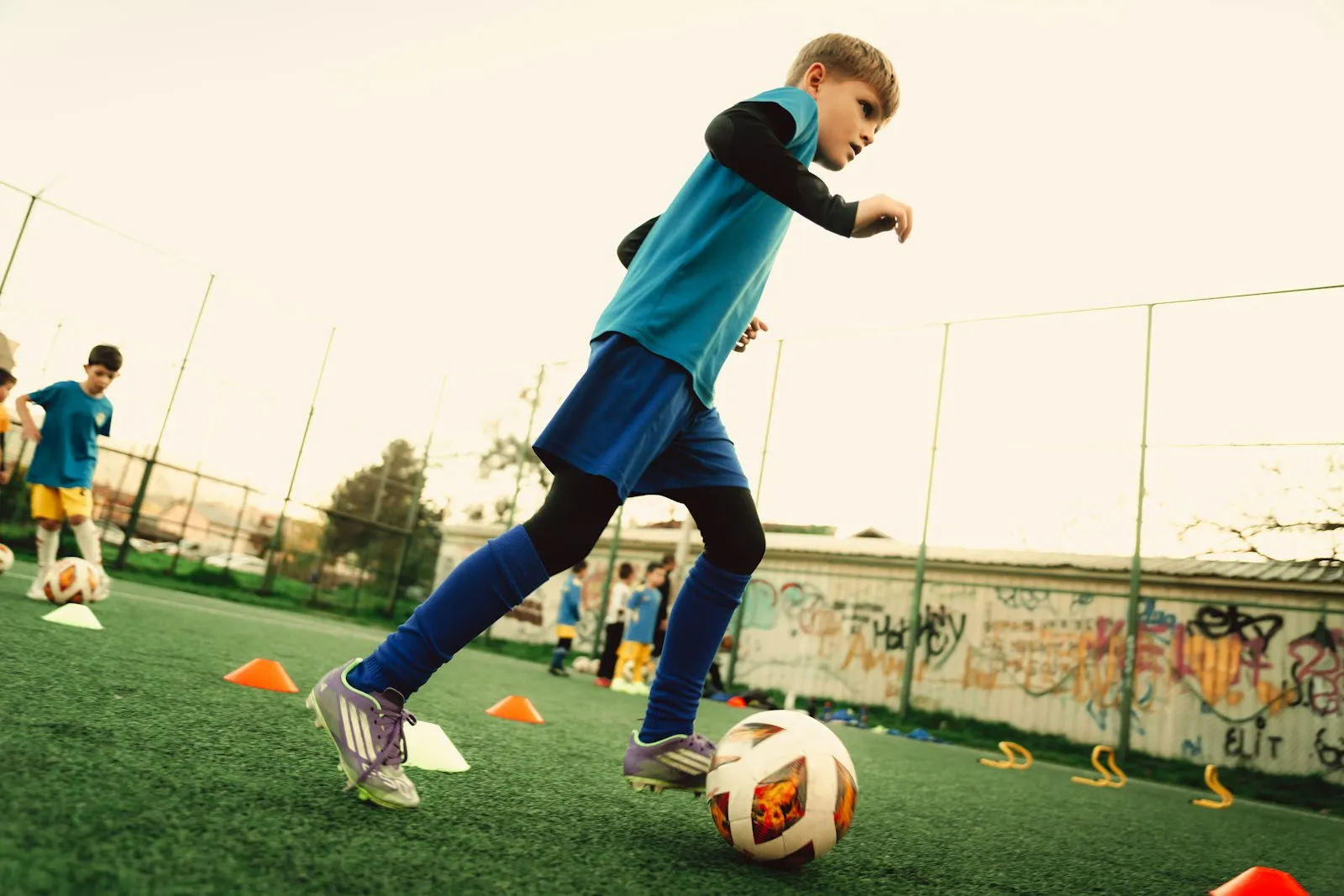
You can read the full story and see every item we plan to buy in Help Us Bring Sports Equipment to the School in Kosovska Kamenica.
How you can be part of it
You don't have to be from the Balkans to care about Balkan children. But if you are, if you grew up with a balcony, a grandmother and a village summer, you already know what is worth protecting.
Here is how you can help:
- Donate any amount at balkanchildren.com/donate. Because we are run entirely by volunteers, your donation goes to the children.
- Share this post with someone who grew up in the Balkans. Ask them about their childhood. I promise you'll hear a good story.
- Get involved: host a bake sale, partner with us as a business, or tell us about a school or children's home that needs help. Just write to us.
The childhood we remember wasn't built by one family. It was built by a whole street.
Let's be that street for the children who need one now.
With love, Saveta